Monkey love (and other experiments)
-
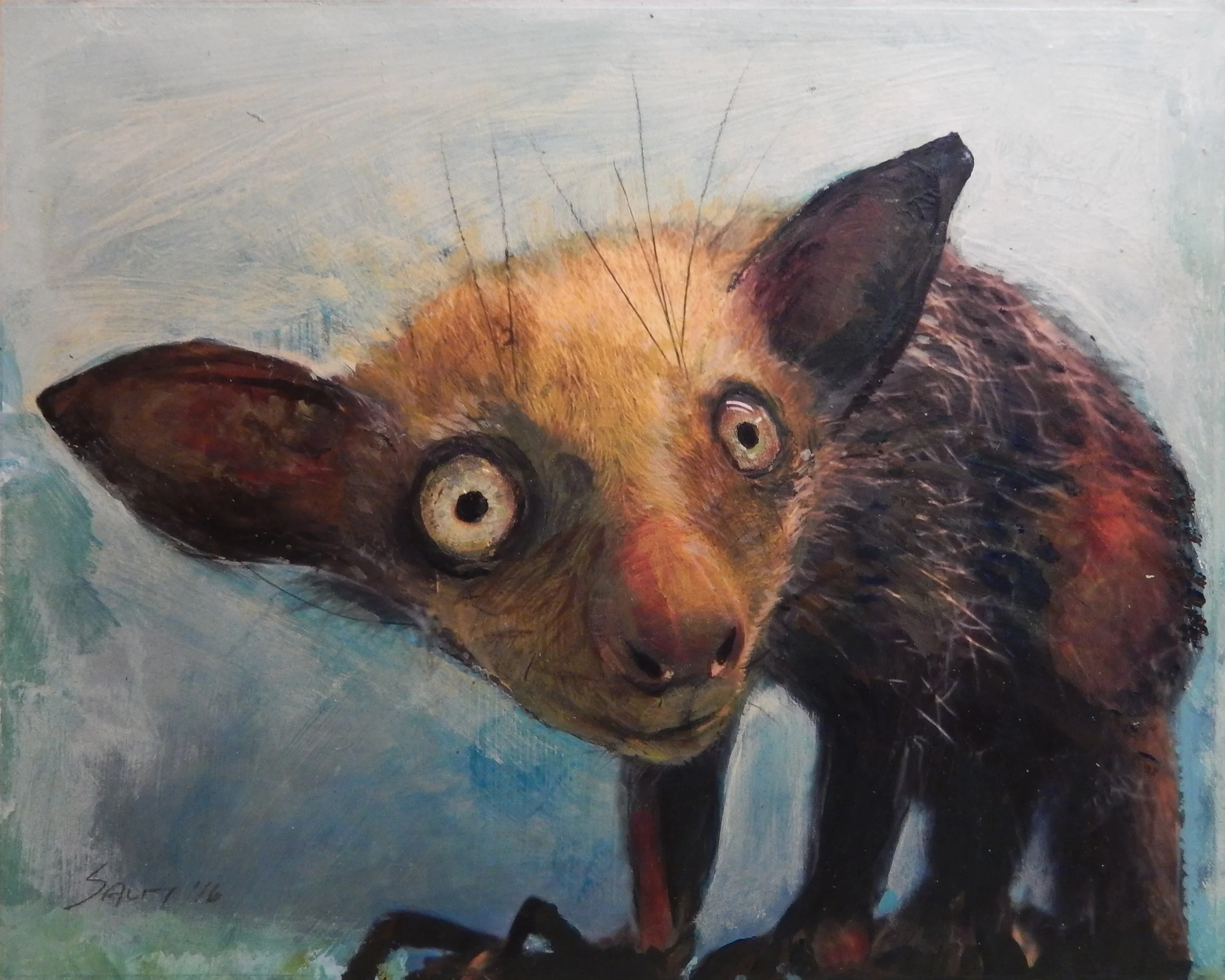
Are we hardwired to accept comfort from—and form attachments with—intimate objects provided they bear just enough of a likeness to ourselves? In the late 50s, researcher Harry Harlow conducted his well-known surrogate mother experiments that demonstrated the importance of mother-child bonding. In them, rhesus monkeys separated from mothers at birth were shown to prefer cloth-covered surrogates over wire ones regardless of their inability to give milk. Prior to the experiments, physical contact with infants was considered harmful to their development, and this view led to sterile, contact-less nurseries across the country. Harlow’s work, which always struck me as horrendously cruel, was key in turning this around.
Acrylic on board
8″ x 10″
(2010)
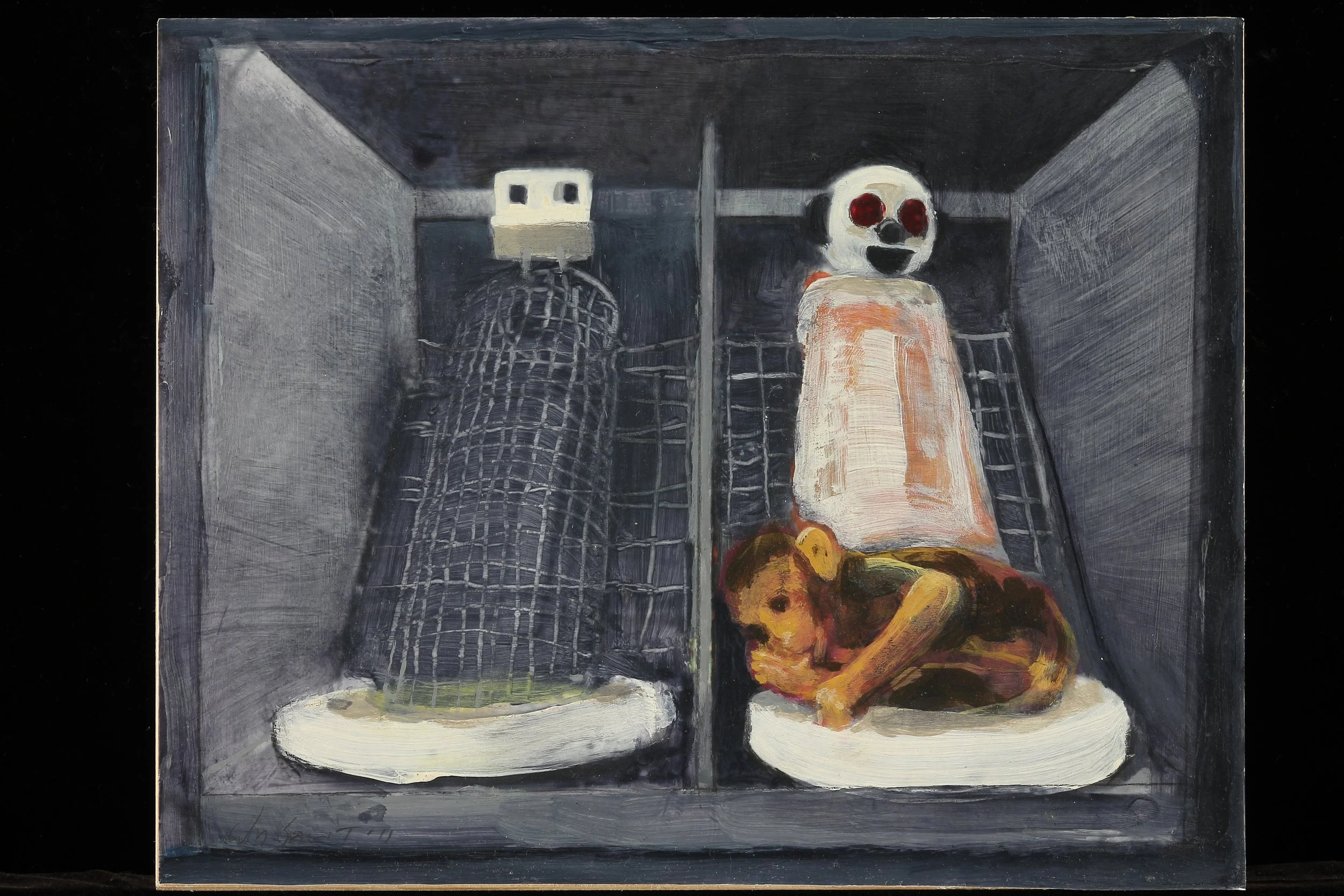
Monkey love experiment 01
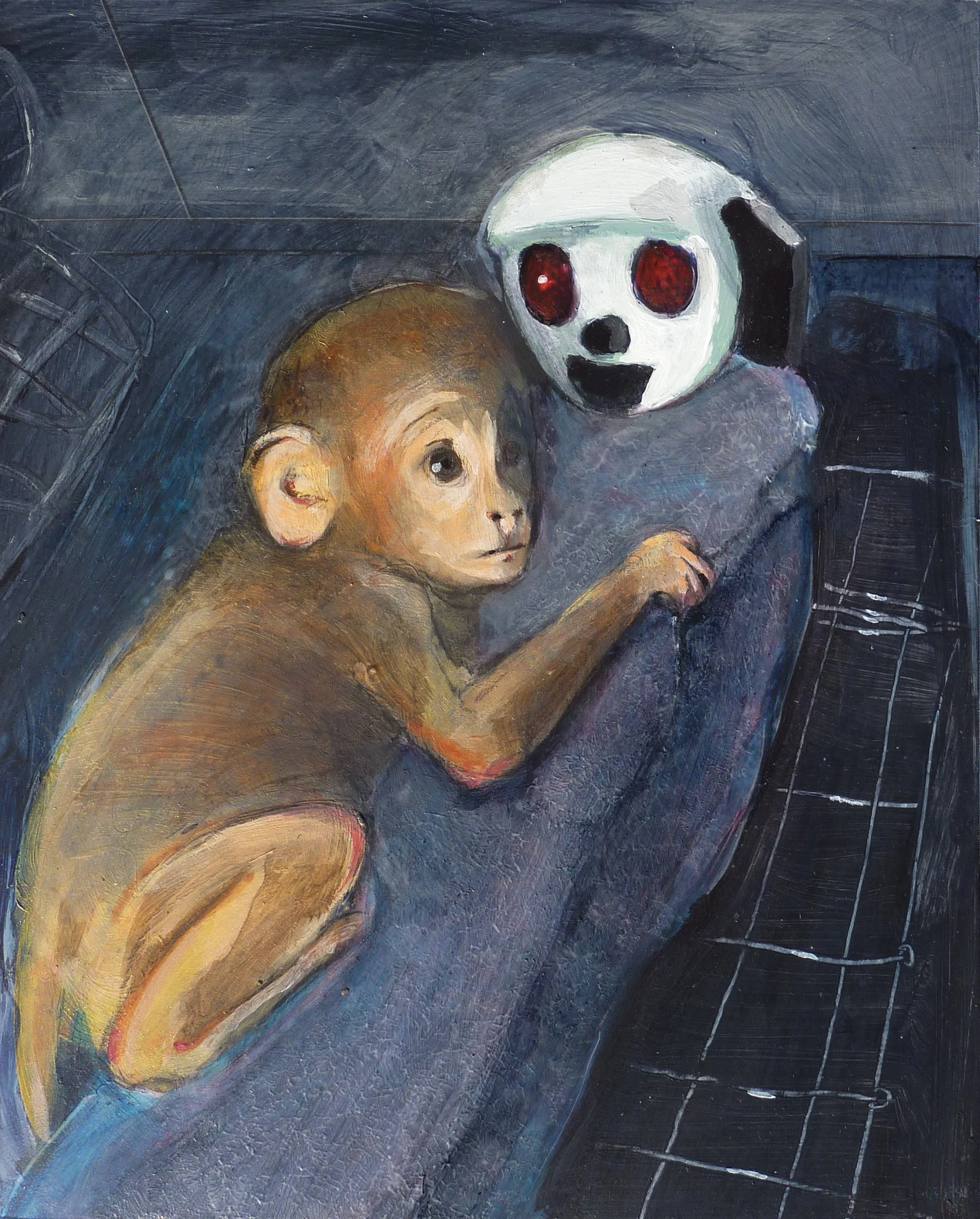
Monkey love experiment 02
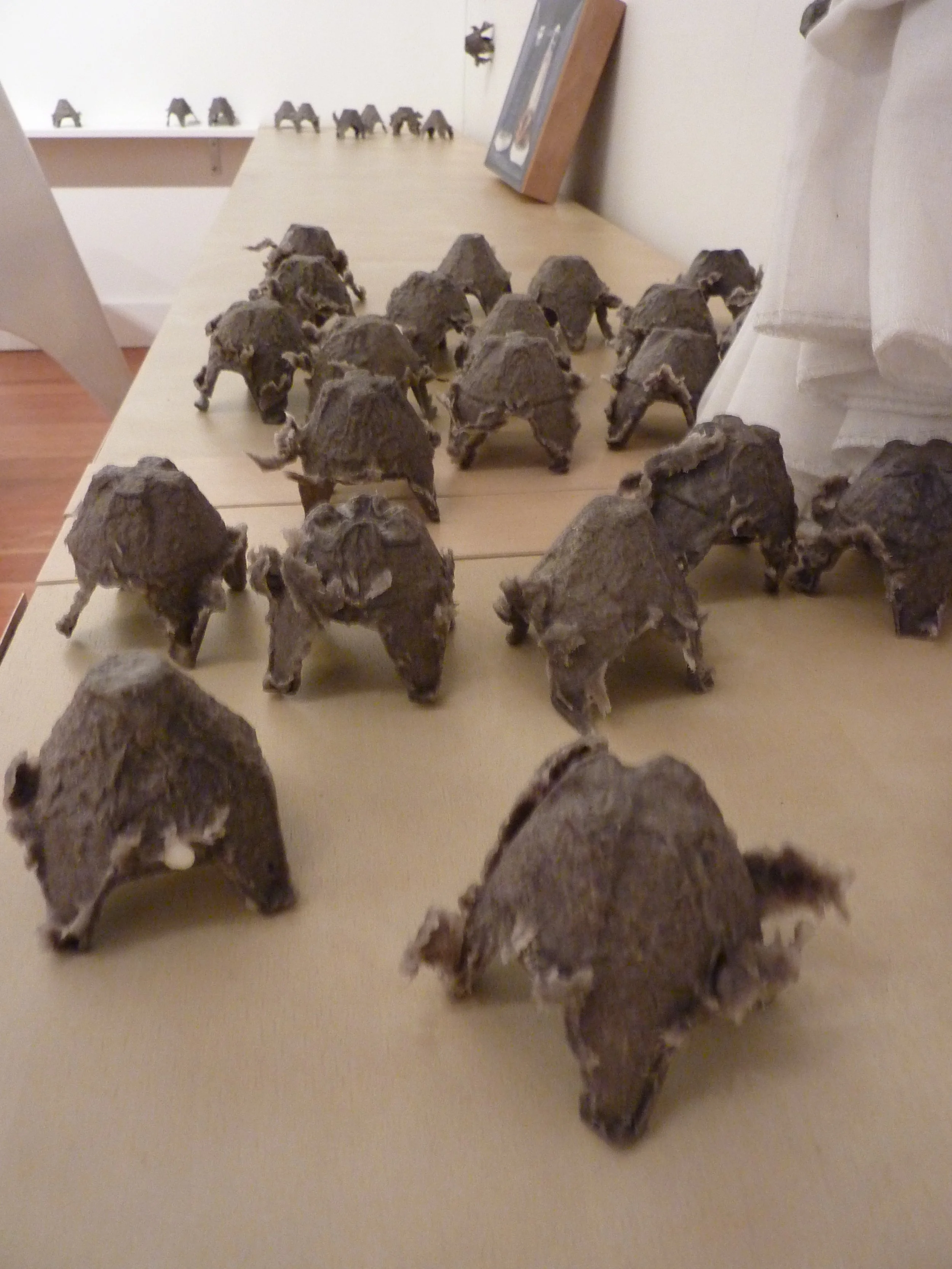
Hatchlings
-
It was going to make the factory production of eggs faster, cheaper, more profitable. We were proud, rightly so, of the brilliant simplicity of the concept, achievable with technologies the company had developed and owned exclusively.
It was this: just insert a wee slice of honeybee DNA into that of our most common farm animal, the chicken, and the birds would create their own honeycomb-like cartons in which to lay their eggs, obviating the materials, labor, handling, and packaging machinery required to protect the eggs as they travel from factory farm to consumer.
Nature and evolution are marvels, the chickenhive’s densely-packed hexagonal structure a miracle of strength and efficiency. Eggs laid into our ChickaB™ colonies’ waxy network of cells could easily be carved into dozens and sent to market.
Did we wonder about ethics, as we tinkered with the birds-and-bees of these birds, and, well, bees? Yes, I think we did. Briefly. I’m sure of it.
What, we asked ourselves, rhetorically, could possibly go wrong?
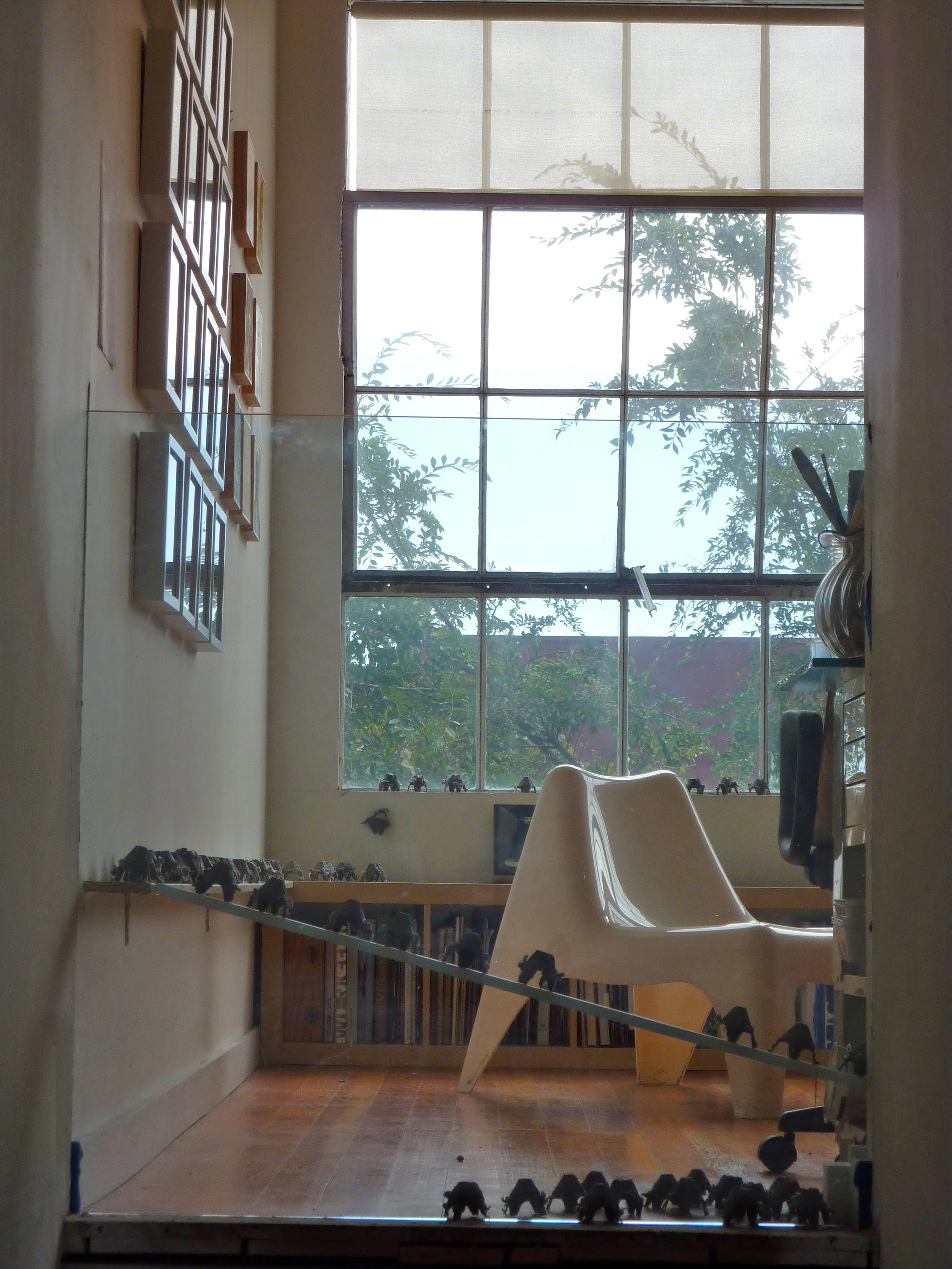
Installation
Cardboard, beeswax
(2012)
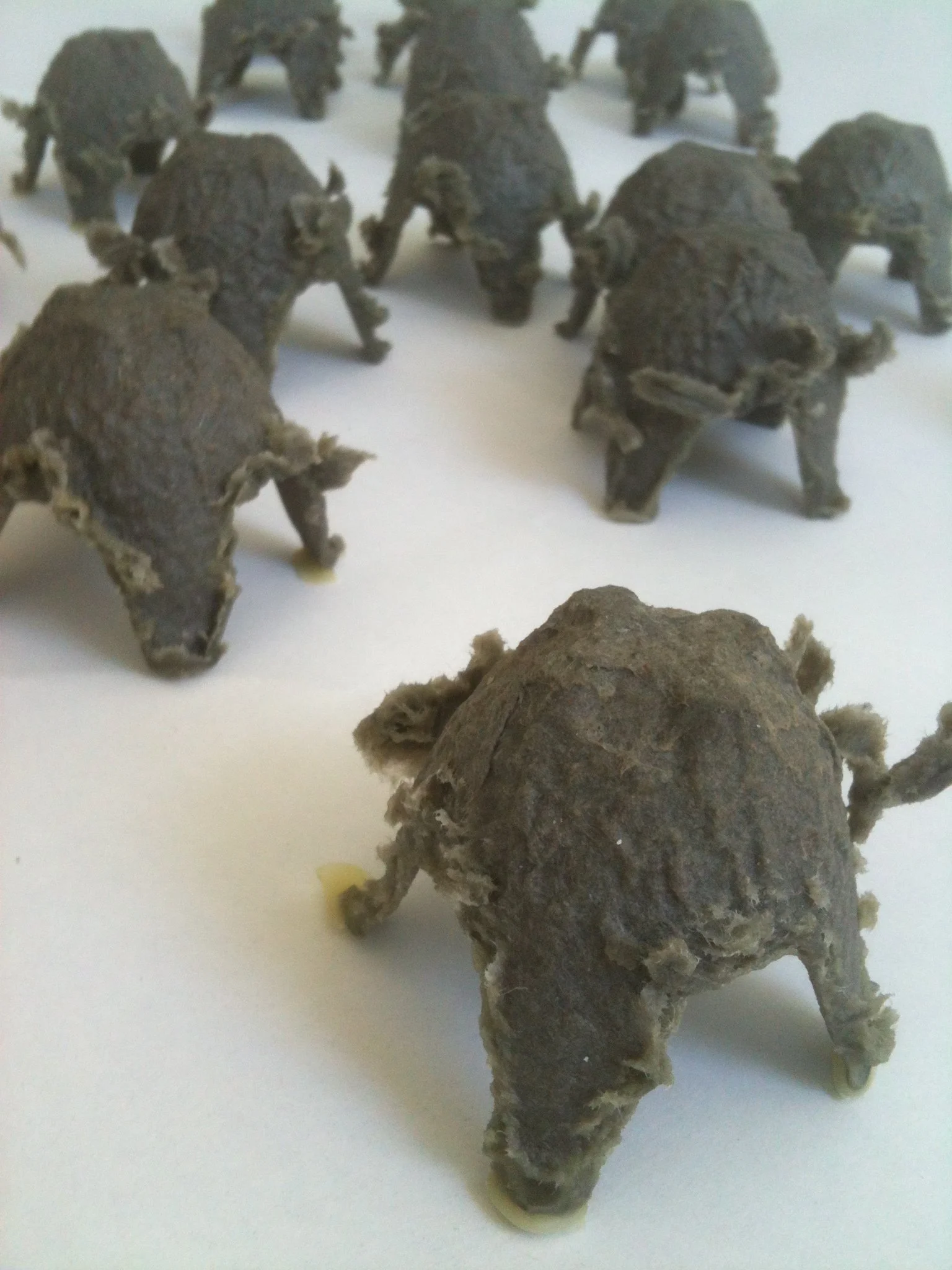
Creatures